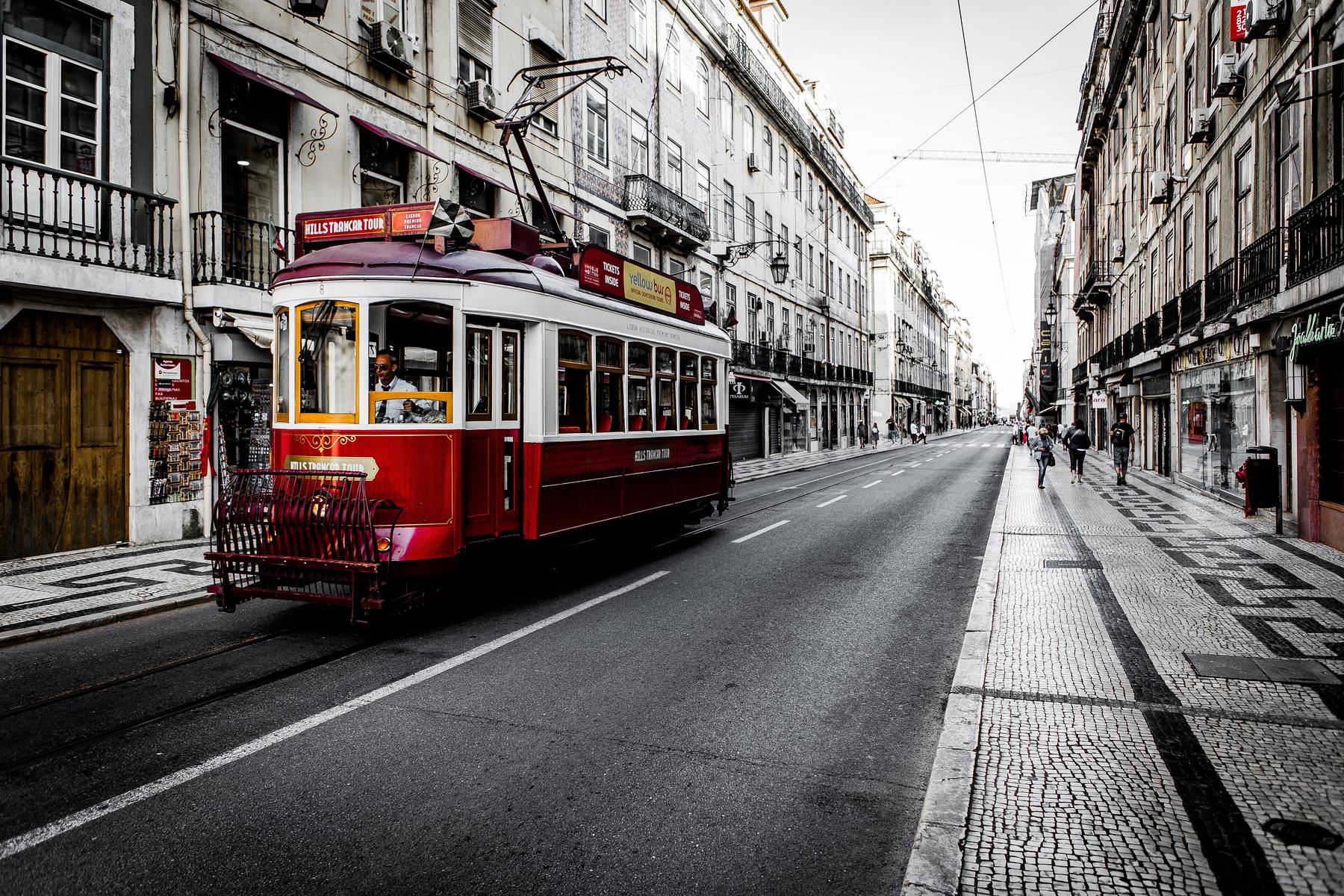
Lisbon rewards the unhurried. The city is built on seven hills, and every one of them is an argument for slowing down, catching your breath and looking back at the river. We gave ourselves a week, no itinerary and one rule: never take a taxi up a hill you could walk.
Where to stay
We split the week between Alfama, the old Moorish quarter, and Príncipe Real, where the gardens are bigger and the cafés quieter. Both are a short, steep walk from the Baixa, and both feel like neighbourhoods rather than postcards.
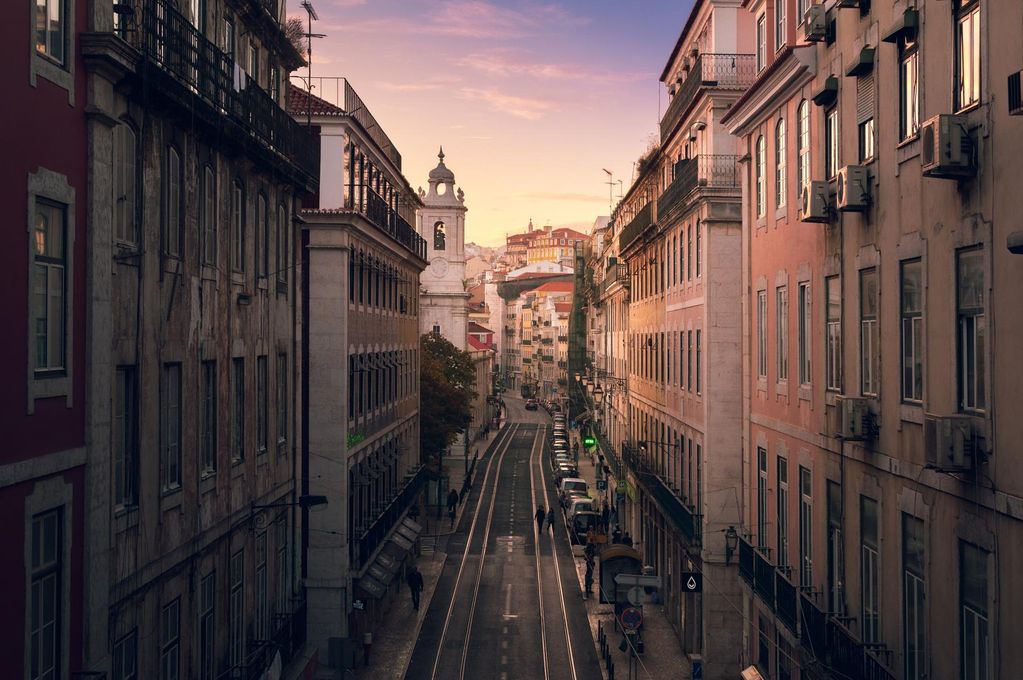
Alfama
Narrow lanes, laundry lines, fado drifting out of doorways. Up early, it belongs to the people who live there.
Príncipe Real
Leafy squares, independent shops and the best people-watching bench in the city, under the cedar in the Jardim.
Cais do Sodré
Loud at night, but the trains to the coast leave from here — handy for a beach day in Cascais.
A day, roughly
- Coffee and a pastel de nata, standing at the counter
- Tram 28 before 9am, before the queues
- Lunch at a tasca: whatever the fish of the day is
- A long walk with no destination
- Miradouro de Santa Luzia for the sunset
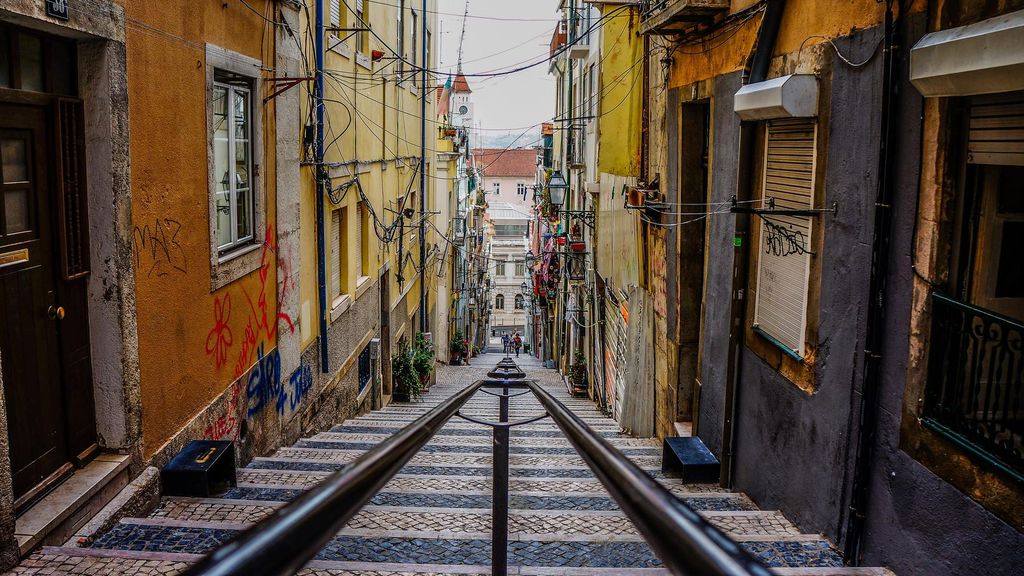
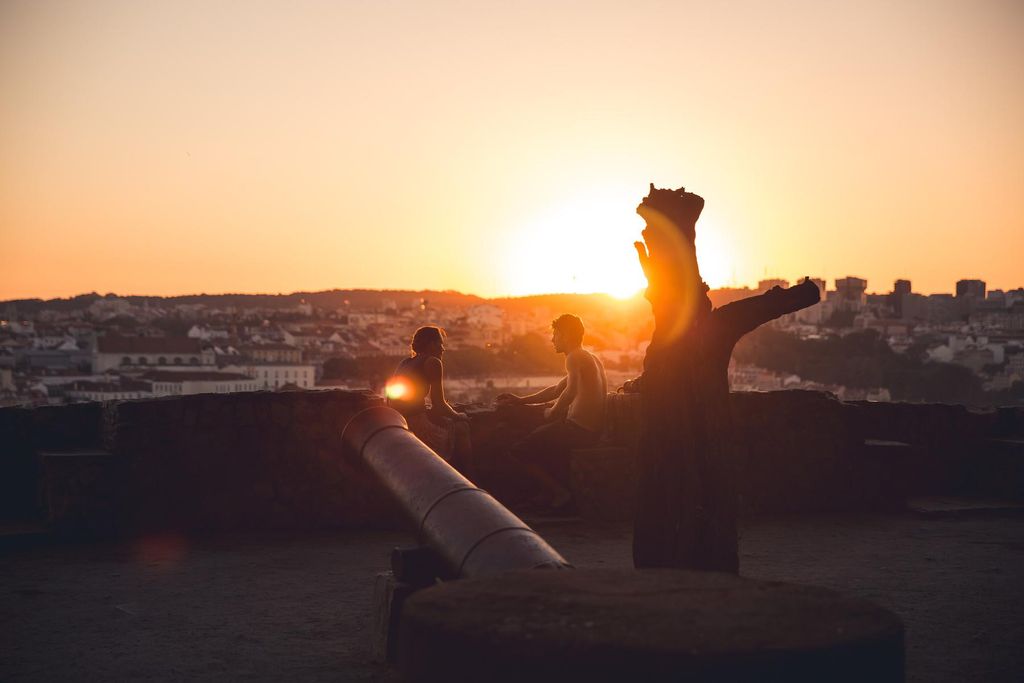
Lisbon is a city you walk until your legs give up, and then you take the tram back up the hill.
A fellow passenger on tram 28
Getting around
Buy a Viva Viagem card at any metro station and load it with credit — it works on the metro, trams, buses and the ferries across the Tagus. The ferry to Cacilhas costs less than a coffee and gives you the best view of the city.
About tram 28
The famous yellow line is beautiful and permanently full. Ride it once at dawn, then do what locals do: walk the route instead, and stop wherever smells good.

Leave a Reply